A fresh approach to everyday wellness for the American lifestyle
Convenient effervescent nutrition designed to fit modern routines.
Read article
A guide to understanding women's nutritional needs, building healthy habits, and supporting everyday well-being.

Women's health is a lifelong journey shaped by physical changes, nutritional needs, hormonal transitions, and daily lifestyle choices.
From early adulthood to menopause and beyond, the body experiences different stages that can influence energy levels, bone health, reproductive wellness, and overall well-being.
While every woman's experience is unique, one principle remains consistent: building a strong foundation of nutrition, movement, rest, and preventive care can support long-term health.
At OUDERA, we believe women's wellness begins with understanding the body's changing needs and making informed choices that support everyday life.
Nutritional requirements are not necessarily the same throughout a woman's life.
Age, menstrual cycles, pregnancy, breastfeeding, menopause, physical activity, and individual health conditions can influence the amounts of certain nutrients the body requires.
A balanced diet containing a variety of nutrient-rich foods remains the foundation of good health.
However, some life stages require particular attention to nutrients such as iron, calcium, vitamin D, folate, and vitamin B12.
Understanding these requirements can help women make informed nutritional decisions and identify when professional guidance may be beneficial.
Several vitamins and minerals play important roles in maintaining normal physiological functions.
Iron is essential for producing hemoglobin, the protein in red blood cells responsible for transporting oxygen throughout the body.
Women who menstruate may have higher iron requirements because of blood loss during menstrual periods.
Sources of iron include lean meats, beans, lentils, fortified cereals, and leafy green vegetables.
Iron supplementation should be based on individual needs and professional advice, as excessive intake can be harmful.
Healthy bones are important throughout life, particularly as women approach and move through menopause.
Calcium is essential for maintaining normal bones, while vitamin D helps the body absorb calcium.
Dairy products, fortified plant-based alternatives, certain leafy vegetables, and suitable dietary sources of vitamin D can contribute to nutritional intake.
Regular weight-bearing activity also plays an important role in maintaining bone strength.
Folate, also known as vitamin B9, supports DNA synthesis and normal cell division.
It is particularly important before and during early pregnancy.
Women who could become pregnant are generally advised to obtain 400 micrograms of folic acid daily from supplements, fortified foods, or both, in addition to dietary folate, to help reduce the risk of neural tube defects.
Individual needs may differ, so professional healthcare guidance remains important.
Vitamin B12 plays a role in normal neurological function and red blood cell formation.
It is naturally found in animal-derived foods, including fish, meat, eggs, and dairy products.
Women following vegan or certain vegetarian diets may need to pay particular attention to their vitamin B12 intake through fortified foods or appropriate supplementation.
Hormones influence many functions within the body, including the menstrual cycle, reproduction, metabolism, and aspects of bone health.
Hormonal patterns change naturally throughout different stages of life.
Although these changes are normal, they can sometimes affect sleep, mood, comfort, and overall well-being.
Building sustainable daily habits can support general health during these transitions.
Helpful practices include:
Supplements should not be considered a substitute for medical evaluation or treatment of hormonal conditions.
Modern life often requires women to balance professional responsibilities, personal commitments, family life, and individual goals.
Maintaining energy throughout the day involves more than relying on caffeine or occasional supplements.
Consistent nutrition, adequate sleep, physical activity, and appropriate recovery all contribute to normal daily functioning.
A balanced eating pattern should include suitable amounts of protein, carbohydrates, healthy fats, fiber, vitamins, and minerals.
Nutrients such as iron and several B vitamins contribute to normal functions involved in oxygen transport or energy metabolism.
However, persistent fatigue may have several causes and should be assessed by a healthcare professional rather than automatically attributed to a vitamin deficiency.
Establishing healthy habits early can provide a foundation for long-term wellness.
Regular movement, balanced nutrition, sufficient sleep, and attention to menstrual and reproductive health are important considerations.
During the reproductive years, some women may have increased requirements for iron or other nutrients depending on their circumstances.
Those planning pregnancy should seek appropriate preconception guidance, including advice about folic acid.
Pregnancy and breastfeeding involve specific nutritional requirements.
Nutrients such as folate, iron, iodine, and choline may deserve particular attention depending on dietary intake and individual needs.
Supplement choices during these stages should be reviewed with a qualified healthcare professional.
Following menopause, declining estrogen levels can contribute to accelerated bone loss.
Bone-supporting nutrition, regular physical activity, and appropriate preventive healthcare become especially important.
Women's nutritional needs continue to evolve with age, making individualized advice valuable.
Women's wellness is not limited to nutrition.
Physical health, mental well-being, adequate rest, social relationships, and preventive healthcare are all important components of a balanced lifestyle.
Self-care does not have to involve complicated routines.
Small, consistent habits can make a meaningful difference.
Examples include taking time for regular exercise, preparing nutritious meals, maintaining a comfortable sleep routine, and attending recommended health screenings.
Preventive healthcare should be personalized according to age, medical history, individual risk factors, and local clinical recommendations.
Nutritional supplements can play a supportive role when dietary intake is insufficient or additional nutrients are recommended for a particular life stage.
However, not every woman needs the same supplements.
Appropriate supplementation depends on factors such as nutritional status, diet, age, pregnancy status, medications, and existing health conditions.
When choosing a supplement, important considerations include:
More is not always better. Excessive intake of certain vitamins and minerals can cause adverse effects.
A thoughtful approach to supplementation focuses on suitability, quality, and informed decision-making.
Learn more about what makes an effervescent formulation different.
At OUDERA, we recognize that women's wellness is personal, dynamic, and influenced by different stages of life.
Our approach to women's health communication focuses on nutritional awareness, responsible supplement choices, and the importance of everyday well-being.
We believe women deserve clear information that helps them understand their needs and make confident decisions about their wellness routines.
By combining an appreciation for nutritional science with a modern wellness perspective, OUDERA aims to contribute to more informed conversations about women's health.
Women's health is not defined by a single nutrient, supplement, or daily routine.
It is supported by a combination of balanced nutrition, physical activity, adequate sleep, preventive care, and an understanding of the body's changing needs.
Every stage of life brings different priorities and opportunities to support long-term well-being.
The most effective approach is one that remains informed, balanced, and responsive to individual needs.
Because women's wellness deserves attention at every stage of life.
Discover the OUDERA Women's Health collection and explore our modern approach to nutritional wellness.
Explore Women's Health Products
Disclaimer: This article is intended for general educational purposes and does not replace professional medical advice. Nutritional needs and supplement suitability vary among individuals. Consult a qualified healthcare professional before beginning supplementation, particularly during pregnancy, breastfeeding, or when managing a medical condition.
Back to Blog WELLNESS PERSPECTIVES
Convenient effervescent nutrition designed to fit modern routines.
Read article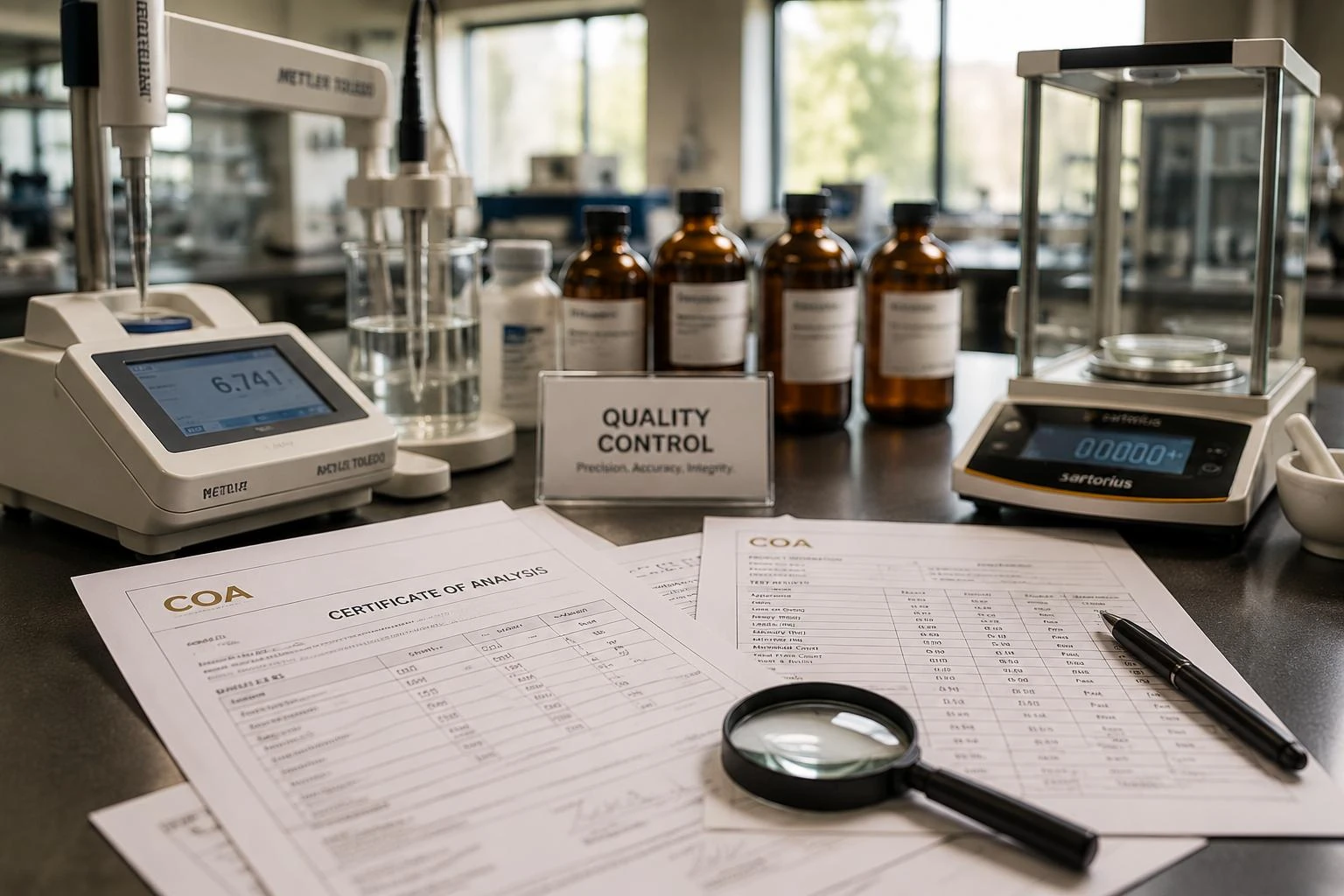 DISTRIBUTION
The documentation to review before entering a new market.
Read article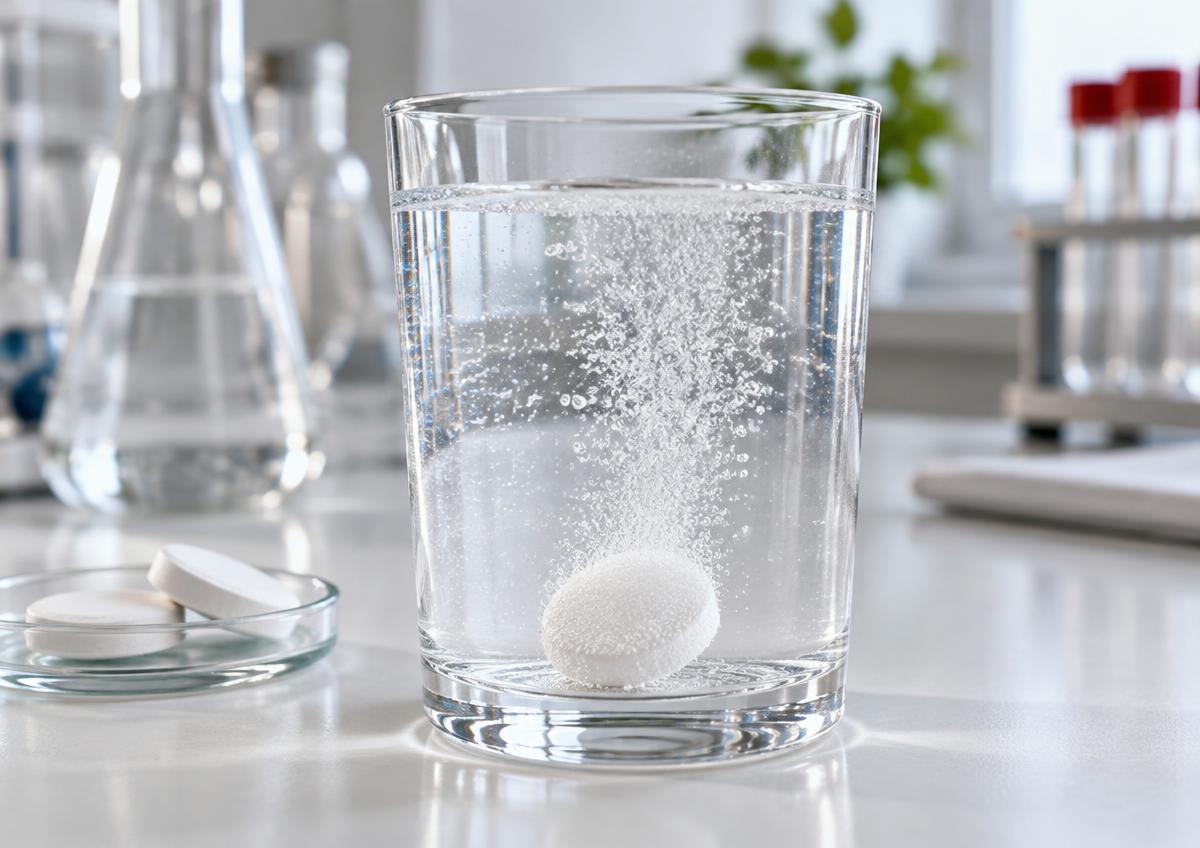 FORMULATION NOTES
Discover how effervescent technology transforms nutritional supplements into a convenient, refreshing daily wellness experience.
Read articleConnect with our team to explore our formulations, commercial requirements, and potential distribution opportunities.